Who it suits
Roofs with dark streaks on north-facing slopes, moss in shaded valleys, or spots of lichen. This is common across the region because the climate suits the organism. It is not a sign that you have neglected your roof.
Soft wash treatment for asphalt shingle roofs that removes the black streaks caused by cyanobacteria, plus moss and lichen where they have taken hold.

The black streaks on North Alabama roofs are a living cyanobacteria called Gloeocapsa magma, not dirt, and the safe way to remove them is a low-pressure soft wash that kills the growth. Pressure washing strips the granules that protect shingles and shortens the roof's life. A soft-washed roof typically stays clean for several years.
The details
Roofs with dark streaks on north-facing slopes, moss in shaded valleys, or spots of lichen. This is common across the region because the climate suits the organism. It is not a sign that you have neglected your roof.
The dark vertical stains are a colony of cyanobacteria, a tiny organism related to algae, called Gloeocapsa magma. It feeds on the limestone filler in asphalt shingles and protects itself with a dark coating, which is what you see from the street.
It is not dirt, and rain will not wash it off. Unless the organism is killed, it grows back from whatever is left behind.
North-facing slopes get the least direct sun, so they stay damp longest. Add heavy tree cover, which describes much of Harvest, Hazel Green and large parts of Jackson and Marshall counties, and the roof stays wet for hours after every rain.
Warm, humid and shaded is close to ideal for this growth. That is why it is a regional pattern rather than a sign of neglect.
Shingles are protected by their granules, the gritty layer on top. Granules are the wear surface and the shield against the sun, and they are held in asphalt that was never designed to resist a pressure washer. Pressure removes the streaks and strips granules along with them. The roof looks clean, and it has been aged.
Pressure washing a shingle roof can also void the manufacturer's warranty. If a contractor proposes putting real pressure on your shingles, that alone is a reason to decline.
Not entirely. The colony feeds on filler in the shingle, and moss and lichen, which often arrive with it, root into the surface and lift granules as they grow.
It is not an emergency, and it will not cause a leak next month. But on a roof already ten or twelve years old, it is worth dealing with rather than living with.
We price after measuring, line by line, with the materials named. These are the things that move the number.
We walk your exterior, measure, and show you the options. There is no charge and no pressure.
You get a written scope with every line and material named. Then we order for your home.
Cut, fitted, trimmed, cleaned up and hauled away the same day. You never look at a pile of old frames.
Real ACM job photos. Every photo marked “ACM job photo” is from one of our own jobs.
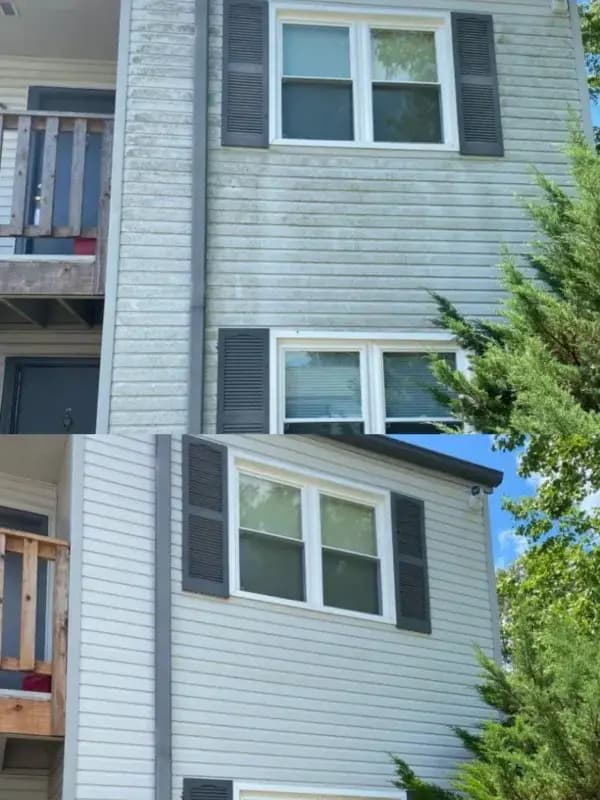 ACM job photo
Soft wash on vinyl siding
Mildew and grime removed from vinyl siding at low pressure, so the siding and trim were not damaged.
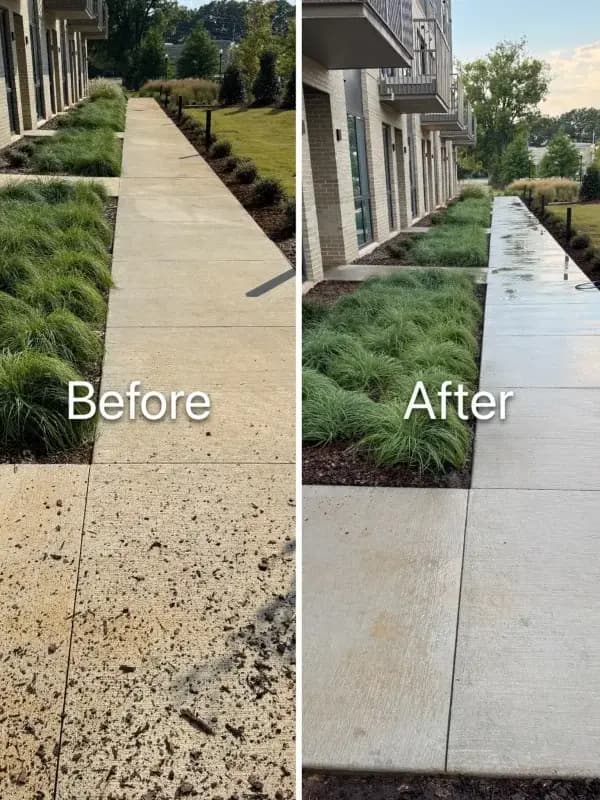 ACM job photo
Walkway cleaning
Concrete walkways at an apartment building pressure washed back to clean, even concrete.
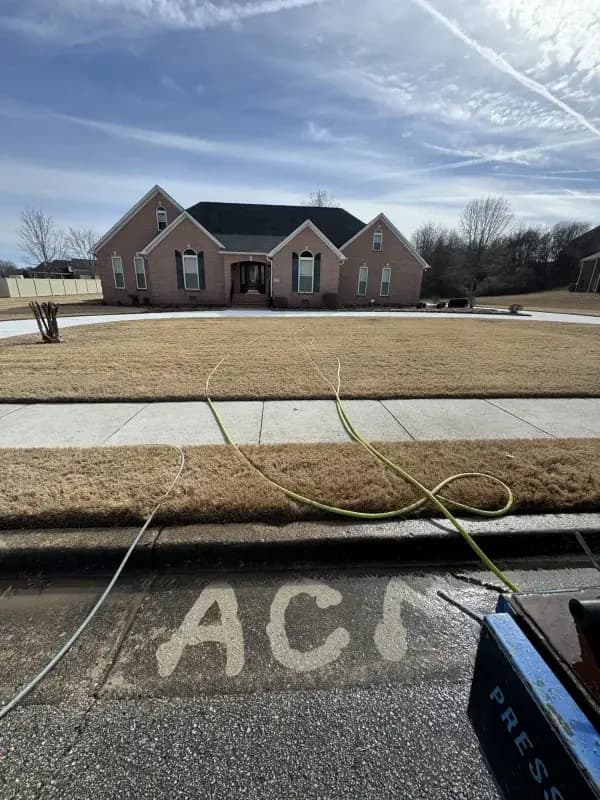 ACM job photo
Driveway and curb cleaning
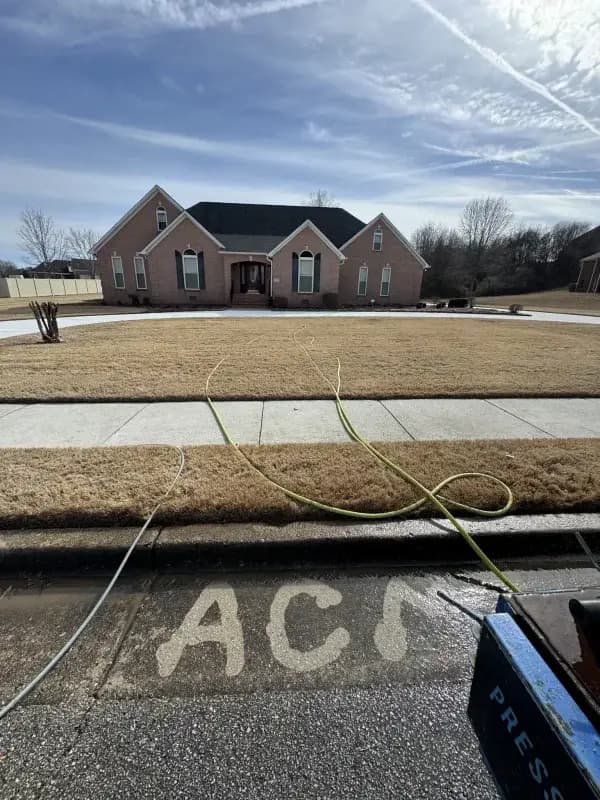
Driveway and curb concrete cleaned at a brick home, with ACM spelled out in the concrete partway through the clean.
Yes. It strips granules, and granules are the shingle's protection from the sun. They do not grow back, so a pressure-washed roof has a shorter life from that day, and the damage does not look like damage for two or three years.
Typically several years, because the growth is killed at the root rather than removed from the surface. Shaded north-facing slopes grow back first, which is also where the staining started.
Pressure washing can. Low-pressure cleaning with a solution is the method shingle makers and the industry's own guidance point to, and it is the only method we use on shingles.
It feeds on the limestone filler in the shingle, so it is not purely cosmetic, and it holds moisture against the surface. Neither is urgent, but neither is nothing.
Not with a pressure washer, which is what most people reach for and what does the damage. Low-pressure cleaning with the right solution is the correct method, and working on a roof carries its own risks.
Streaks alone do not mean you need a new roof. If the shingles are curling, cracking or shedding lots of granules, cleaning will not fix that. Because we do both roofing and roof washing, we can tell you honestly which one you are looking at.
Yes. Many homeowners have the roof and walls soft washed on the same visit, and the driveway pressure washed at the end.
House, roof, driveway, deck and commercial washing, with soft washing for roofs and siding and real pressure only on concrete.
Learn moreSoft wash house washing for siding, soffit, fascia and trim. Kills mildew and algae without forcing water behind your siding.
Learn more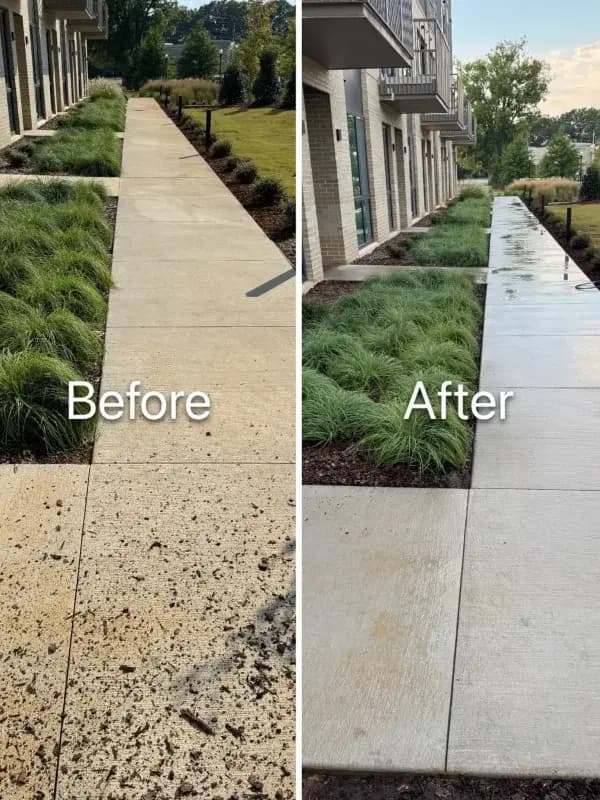
How soft washing works, where pressure belongs, and why roofs, siding and painted surfaces need chemistry instead of force.
Learn more
Full tear-off roof replacement with the deck checked, new flashing and pipe boots, and ventilation built in. Usually one to three days.
Learn more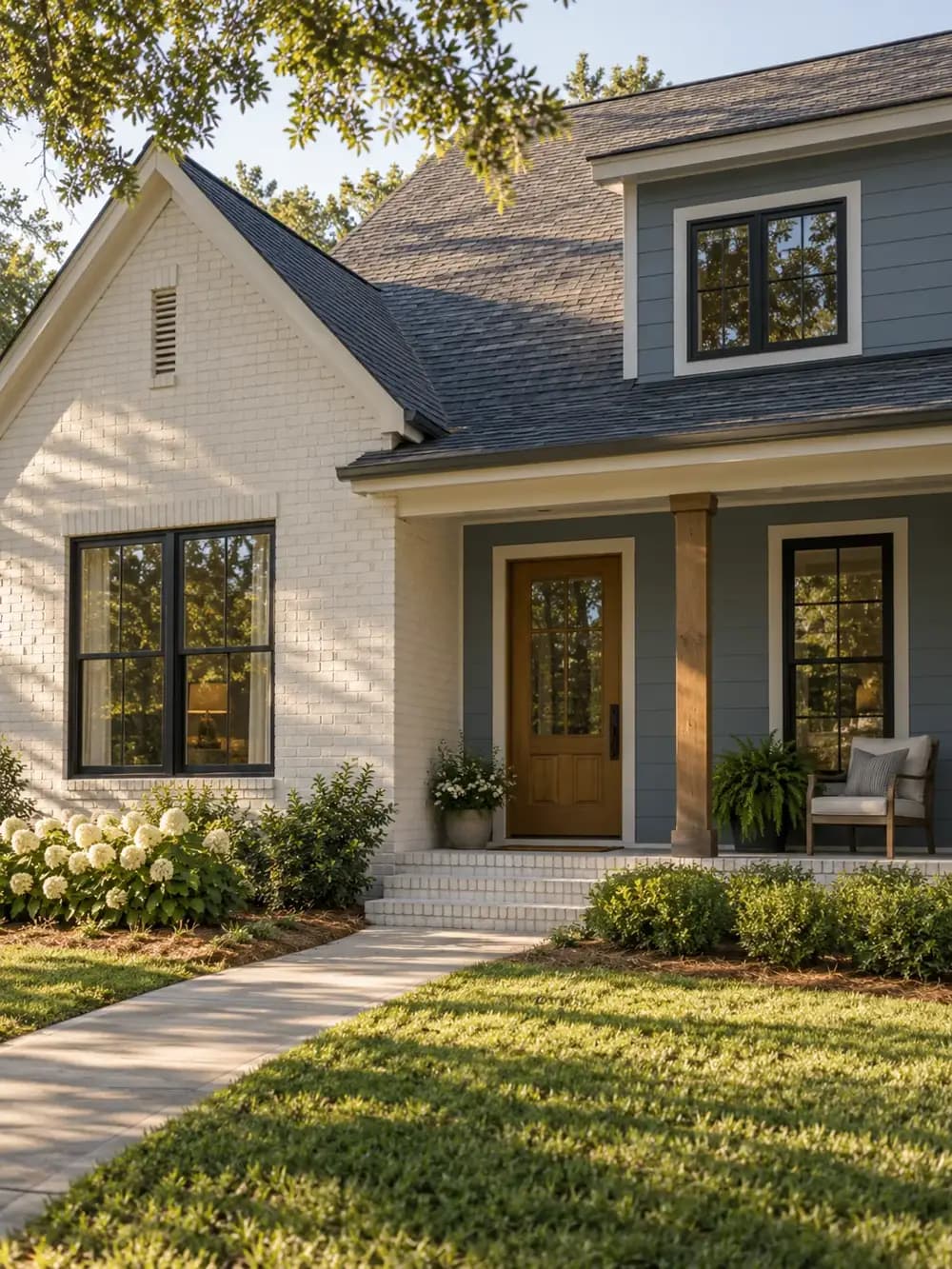
Siding replacement done from the wall out: rotted sheathing fixed, house wrap and flashing done right, then fiber cement or vinyl.
Learn more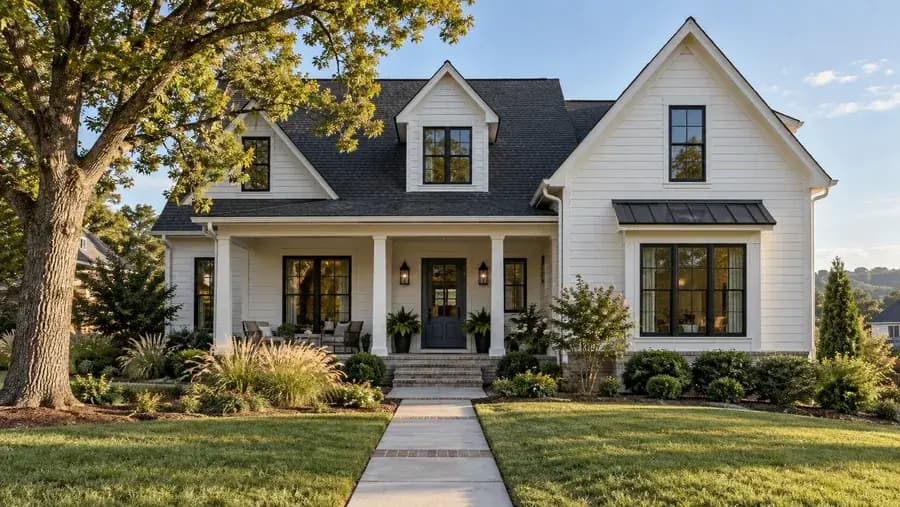
Full tear-off roof replacement and balanced attic ventilation, built for North Alabama hail, wind and attic heat.
Learn more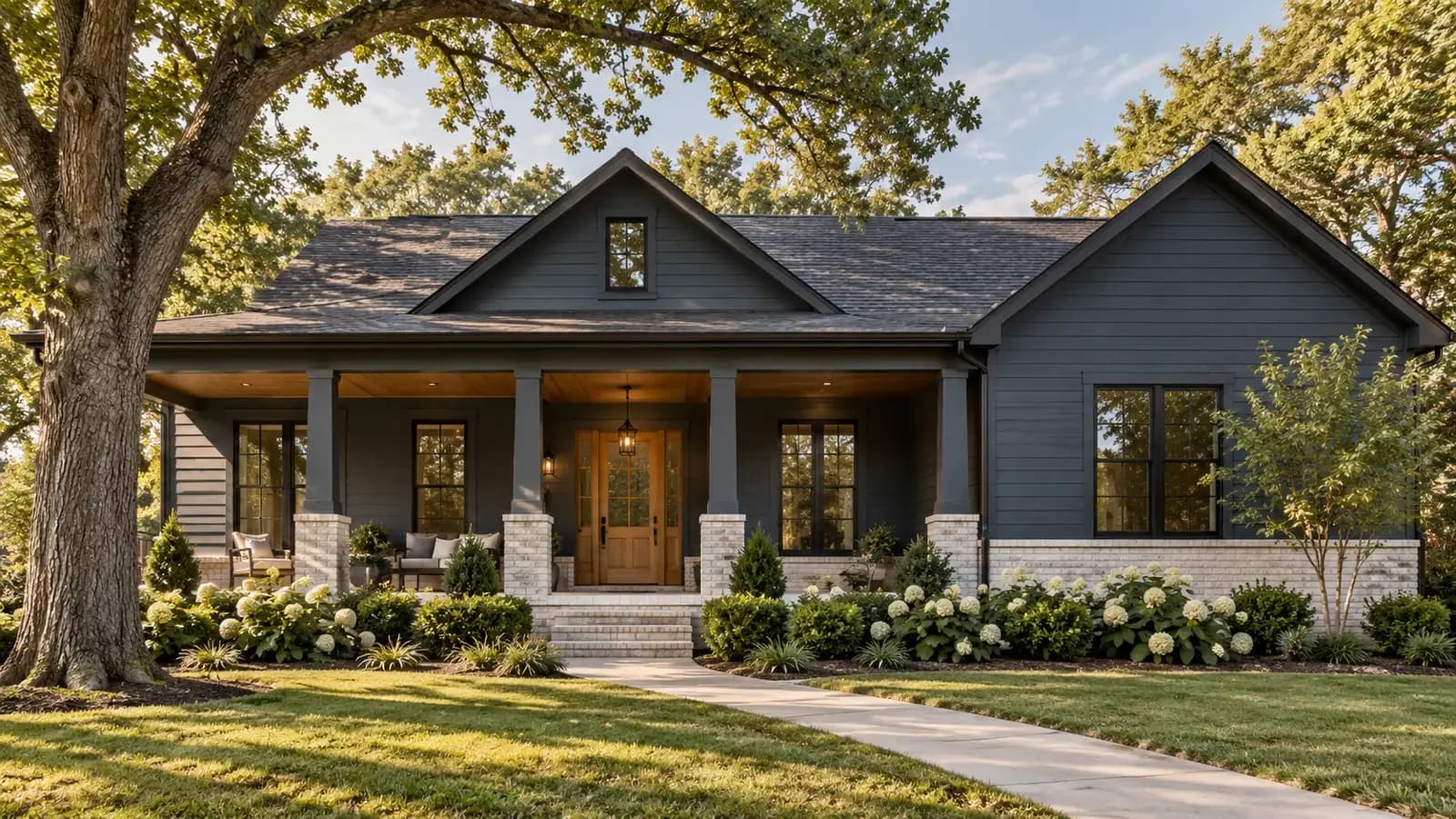
Washing and upkeep9 minute read
Those dark streaks on North Alabama roofs are a living organism, not dirt. Here is what causes them and why pressure washing is the wrong fix.
Washing and upkeep9 minute read
Soft washing and pressure washing are different jobs. Here is which surfaces on a North Alabama home need low pressure, which can take real pressure and why it matters.
We're based in Madison and work across North Alabama, providing roof washing in every area below. We do not work in Tennessee.

Tell us what you're picturing. We'll come out, measure up, and give you a free written estimate, so you know exactly what to expect before any work begins.
